Scan your food. See what's hiding in it.
Point your camera at a meal and Trace reads the plate: how it was cooked, what it was cooked in, and how much seed oil that puts in front of you. The stuff no menu tells you and no label exists for — in about five seconds, so you can actually build a habit around it.
Download on the App Store Coming soon to iPhone.You can't tell by looking.
Two lunches on the same day. Guess which one you'd have picked.
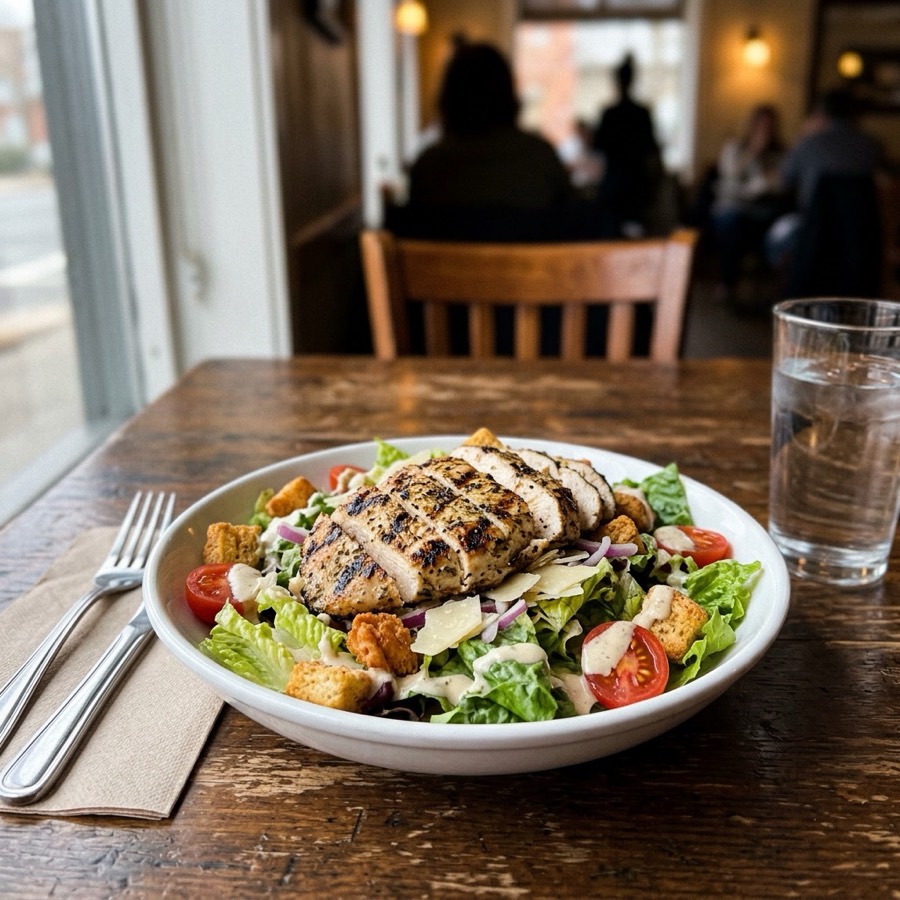
Grilled chicken salad
Restaurant
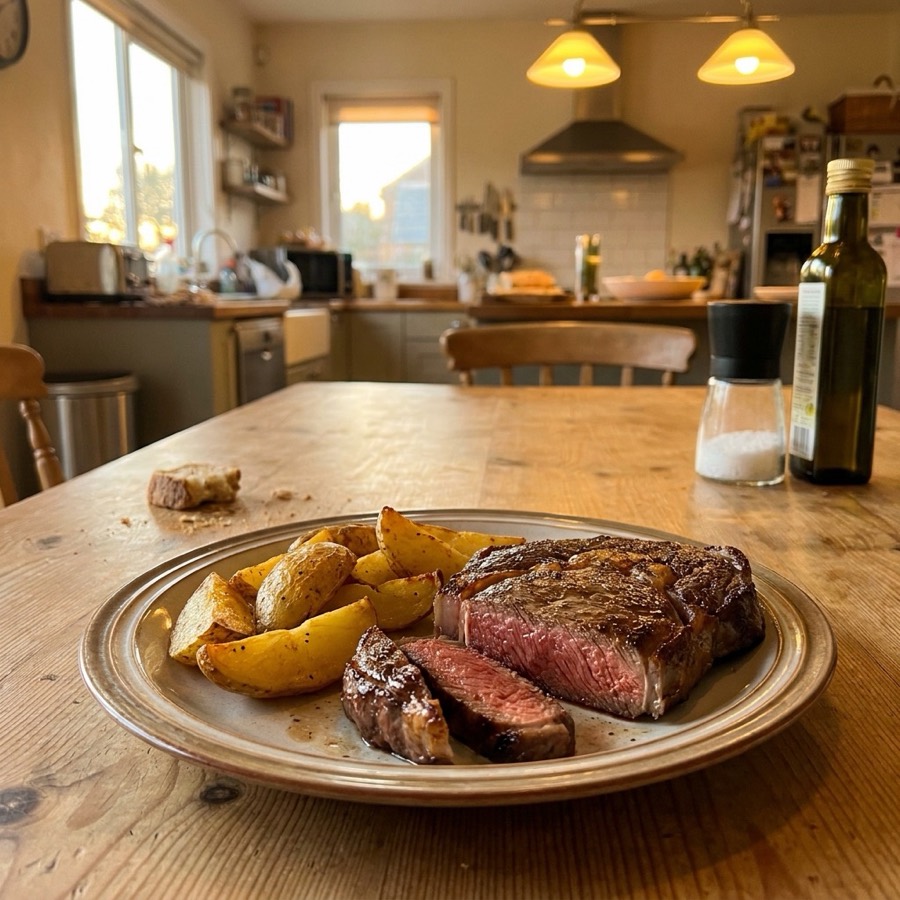
Steak & potatoes
Cooked at home in butter
The salad was cooked on an oiled flat-top and dressed with
soybean oil. The steak was cooked in butter. Neither menu said a word about it.
Eating better isn't the problem. Knowing what you just ate is.
Feed Griddy your lunch.
Nobody reads a chart every evening. You will notice a chicken getting fat. Under your target he stays lean; go over and he puffs up and breaks out — and he resets every morning, because one bad lunch isn't a failed week. Tap a meal below and watch it land on a 10g day. Same maths as the app.
Nothing logged yet. Pick something.
How it works
Photograph the plate
Before you eat, or after. Trace reads how it was cooked, roughly how much is there, and how much dressing or sauce is on it.
Get a number you can argue with
A range and a confidence, never false precision. When Trace has to assume which oil a kitchen used, it says so — and you can correct it in one tap.
Change two meals, not your life
After a week you can see which dish and which kind of place it's really coming from. For most people it's two or three regular orders.
It's a tracker, not a lecture.
The point isn't to be perfect. It's to know your own number, watch it move, and keep the changes you can actually live with.
Your daily total
Against a target you picked, not one we imposed. Griddy puffs up on a heavy day and slims down on a clean one, and resets every morning.
A fortnight at a glance
Your average against where you started, the days you cleared your goal, and the litres you didn't drink.
Your worst repeat
The dish you keep going back to, and the kind of place most of it arrives from. Almost nobody's answer is their own kitchen.
Why people avoid them
Four arguments you can check yourself, and which one has the most behind it.
It went up a thousandfold
Soybean oil was 0.006% of American calories in 1909. By 1999 it was 7.4%. No other food in the modern diet moved like that.
Blasbalg et al., Am J Clin Nutr, 2011It's in you, not just your food
Linoleic acid stored in American body fat went from about 9% to about 21% between 1959 and 2008. It builds up over years.
Guyenet & Carlson, Adv Nutr, 20151990: the fryers changed
McDonald's and most US chains dropped beef tallow for vegetable oil after a campaign against saturated fat. The fryers never went back.
Widely documented; CSPI campaign, 1990BEST EVIDENCEOil that's been reheated for days
Commercial fryer oil is held hot and reused. Each cycle builds up aldehydes that aren't in the fresh oil. This is the concern with the most chemistry behind it.
Established in food chemistryThis isn't settled science, and Trace won't pretend otherwise. No health authority sets a limit and some omega-6 is essential. Trace tracks a preference — yours — and shows you where it's coming from. It is not medical advice.
Pricing
Three scans free. No trial — you're charged today, and the price you see is the price you pay.
- Unlimited meal scans
- Every day you've logged
- The venue breakdown and repeat offenders
- Correct any estimate, instantly